

TechSprint 2025–26 Hackathon: Fostering Innovation at MVGR
TechSprint 2025–26, conducted by the Google Developer Group (GDG) MVGR, was organized with the objective of providing a collaborative and innovative platform for students to apply their technical knowledge to real-world problems. Held on the college campus and organized by the GDG core members, the hackathon aimed to foster creativity, teamwork, and problem-solving skills while promoting a culture of innovation and hands-on learning.
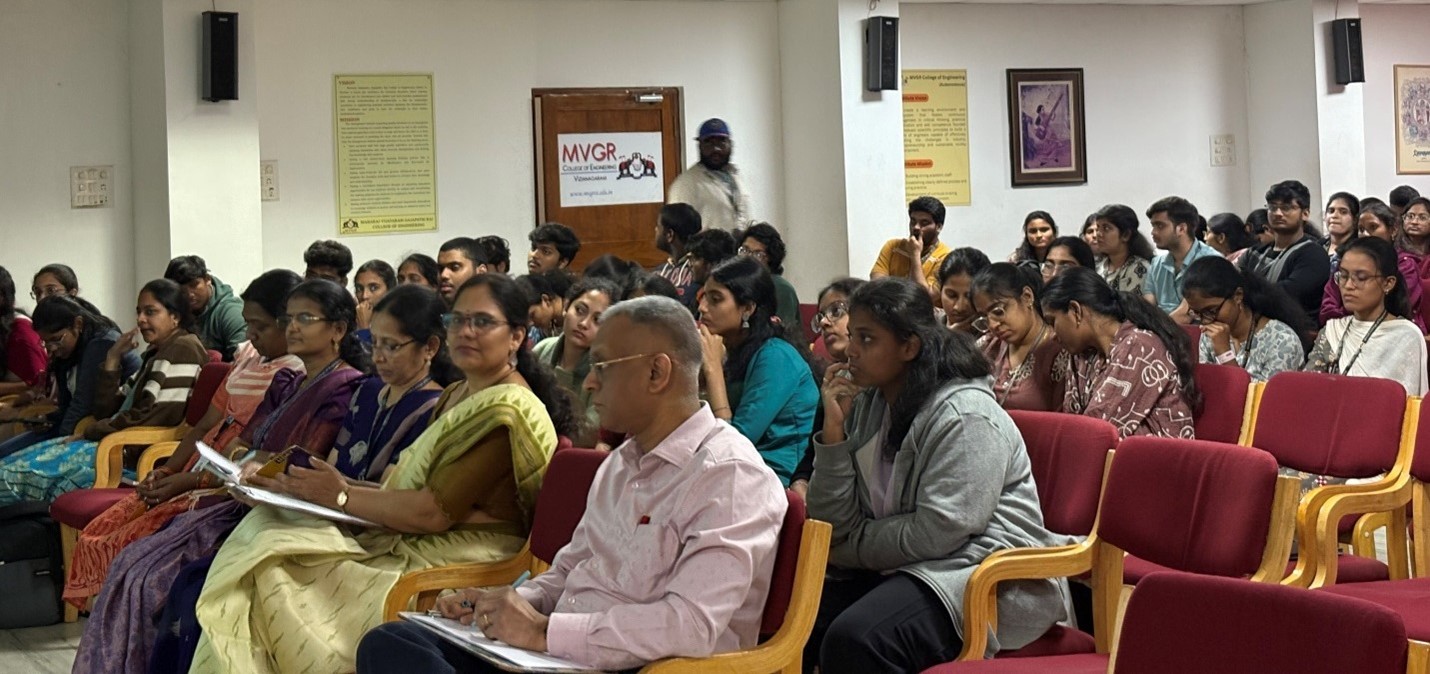
The event witnessed enthusiastic participation from 35 student teams, who actively engaged in a 22-hour continuous hackathon that encouraged rapid ideation, development, and presentation of impactful technical solutions. The month-long hackathon journey involved extensive planning, learning, and mentoring activities, culminating in an offline grand finale held on January 8–9, 2026. Throughout the event, students collaboratively transformed innovative ideas into functional prototypes, making TechSprint 2025–26 a proud and memorable experience for all stakeholders.
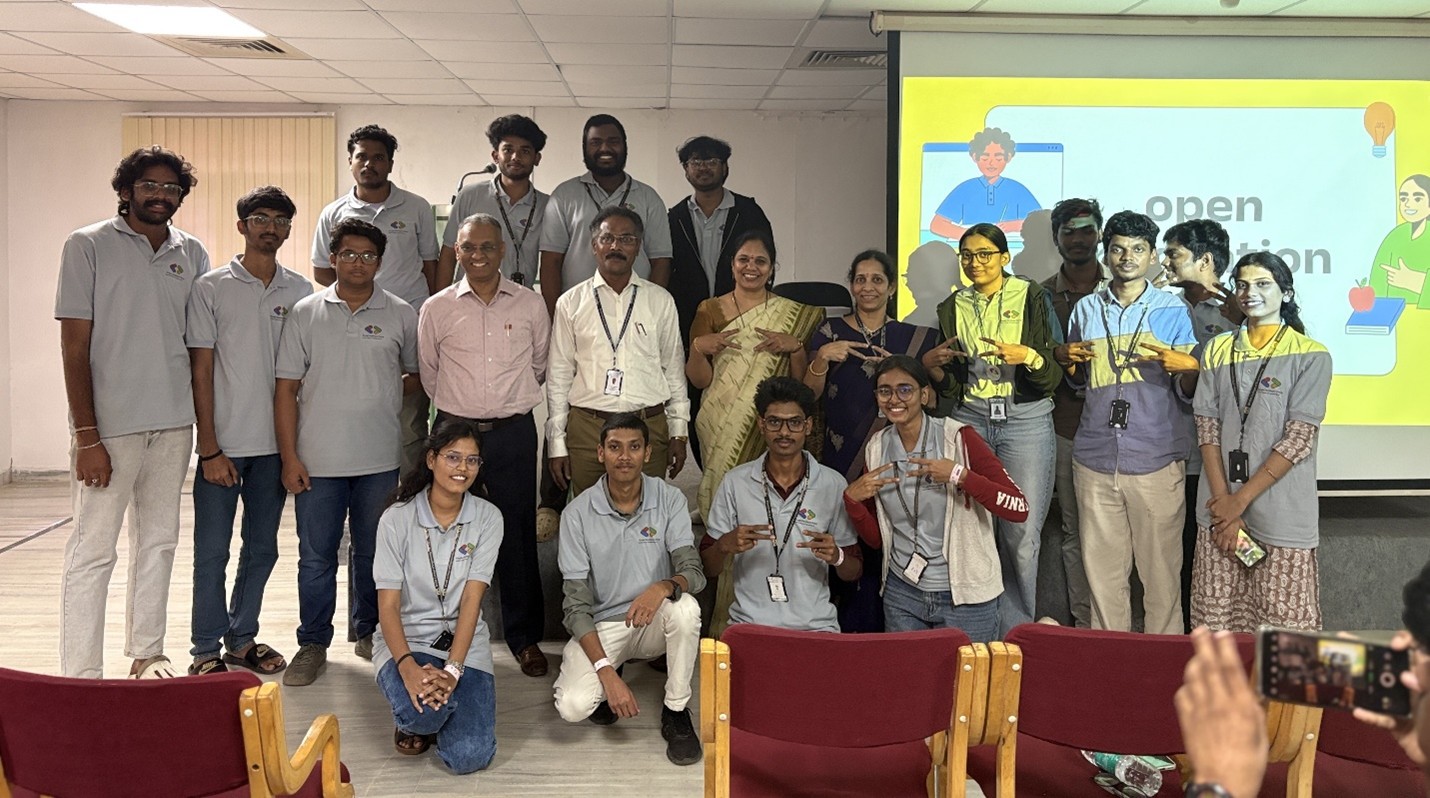
The hackathon concluded with a vibrant valedictory session recognizing outstanding performances. Team Titans secured the Winner position, followed by CodeX as the First Runner-up, Aivengers as the Second Runner-up, and SynchronyX as the Third Runner-up. All finalist teams demonstrated exceptional innovation, technical depth, teamwork, and perseverance throughout the competition.
The judging and evaluation process was conducted with fairness and rigor by a distinguished panel comprising Mrs. Usha Ramani Vemuri, Dr. R. Ramesh (Provost), Mrs. K. Sobha Rani (Faculty Advisor, GDGoC), and Dr. Y. M. C. Shekhar (Principal). The organizers expressed sincere appreciation to all mentors whose detailed assessments, late-night reviews, and continuous guidance ensured meaningful and unbiased evaluation.
A total of 18 faculty members actively supported the event, including 1 Faculty Advisor, 14 Faculty Mentors, and 3 Heads of Departments. In addition, 5 external mentors from the software industry contributed their expertise, offering valuable real-world perspectives and technical guidance to participating teams.
The organizing committee conveyed heartfelt gratitude to all Heads of Departments, teaching and non-teaching staff, volunteers, and organizers for their unwavering support in the successful execution of the hackathon. Special appreciation was extended to Mrs. K. Sobha Rani for her consistent guidance from the inception of the event, Mr. Vella Manikanta, Assistant Professor (DE), and Ms. N. Ch. Sai Meghana, Assistant Professor (IE&CT), for their valuable support. The dedicated efforts of Ms. Sahithi Varma Pusapati, Lead Organizer, were acknowledged for ensuring seamless coordination, along with Ms. Kalidindi Anvitha, whose creative contributions shaped the visual identity of the hackathon.
TechSprint 2025–26 significantly enhanced participants’ practical understanding of real-world problem solving, collaborative development, and rapid prototyping under time constraints. Students strengthened their technical competencies by applying theoretical knowledge to design, develop, and deploy functional solutions within limited timelines. The event also improved skills in teamwork, communication, innovation, and critical thinking, while boosting confidence in presenting ideas, defending technical decisions before expert evaluators, and adapting to feedback in high-pressure environments.
The organizers concluded by thanking all participants whose enthusiasm, dedication, and hard work truly defined the spirit of TechSprint 2025–26. While the event has formally concluded, it marked the beginning of continued innovation and learning journeys for everyone involved. Overall, the hackathon fostered a strong culture of creativity and experiential learning, contributing positively to the institution’s technical ecosystem and inspiring students to pursue research, entrepreneurship, and advanced technology-driven projects.